
Organisational restructuring, leadership changes, the introduction of new systems - typical workplace changes that can prompt a flood of employee questions. Does this affect me too? When does it take effect? What will be different? Who can I turn to? Have you heard anything? If that last question comes up, rumours can easily take hold, becoming one of the main obstacles to effective change communication. It pays to prevent them: discover practical methods for providing reliable, coordinated information.

Employee experience is more than a collection of successful HR initiatives. From joining the company through development and everyday work to departure, every experience is part of the same journey. Taking a connected approach to these touchpoints can improve employees’ daily lives and influence how the organisation operates.

If an HR professional still struggles with paperwork in their daily work these days, it’s almost certain that a warning light will go off sooner or later. And not because of the printing or the trees — but because of the people. It’s time to get rid of time-consuming and costly paper-based processes so that HR can truly focus on what matters: people.

A good leader today is no longer just someone who hands out tasks, but someone who builds community, involves others, and motivates at the same time – and to do this, it is necessary to keep up with innovations. Developing leadership training has become one of the main focus areas of the HR profession in 2025. Not sure where to start? Here is a useful professional GPS to help you navigate with confidence!

Especially the youngest employees are not only looking for money but also for experiences in the workplace. And this no longer means a trendy office, a few beanbags, and an annual fine dining team-building event. How can both employers and employees benefit from fostering community and cultural connections? What truly makes a workplace an experience?

Reaching and engaging non-desk employees is a major challenge in many organizations – and the reason is often simple: their workplace. Here are the 5 most important practical foundations you need to successfully involve frontline staff in internal communication and work together as a more satisfied, engaged team.

Suppose your team includes different generations, both men and women, and employees with diverse cultural backgrounds and nationalities. In that case, diversity may look good on your Excel spreadsheet – but that alone won’t bring success. How can we put our corporate DNI/DEI principles into action? How can we create a truly inclusive workplace using internal communication tools?
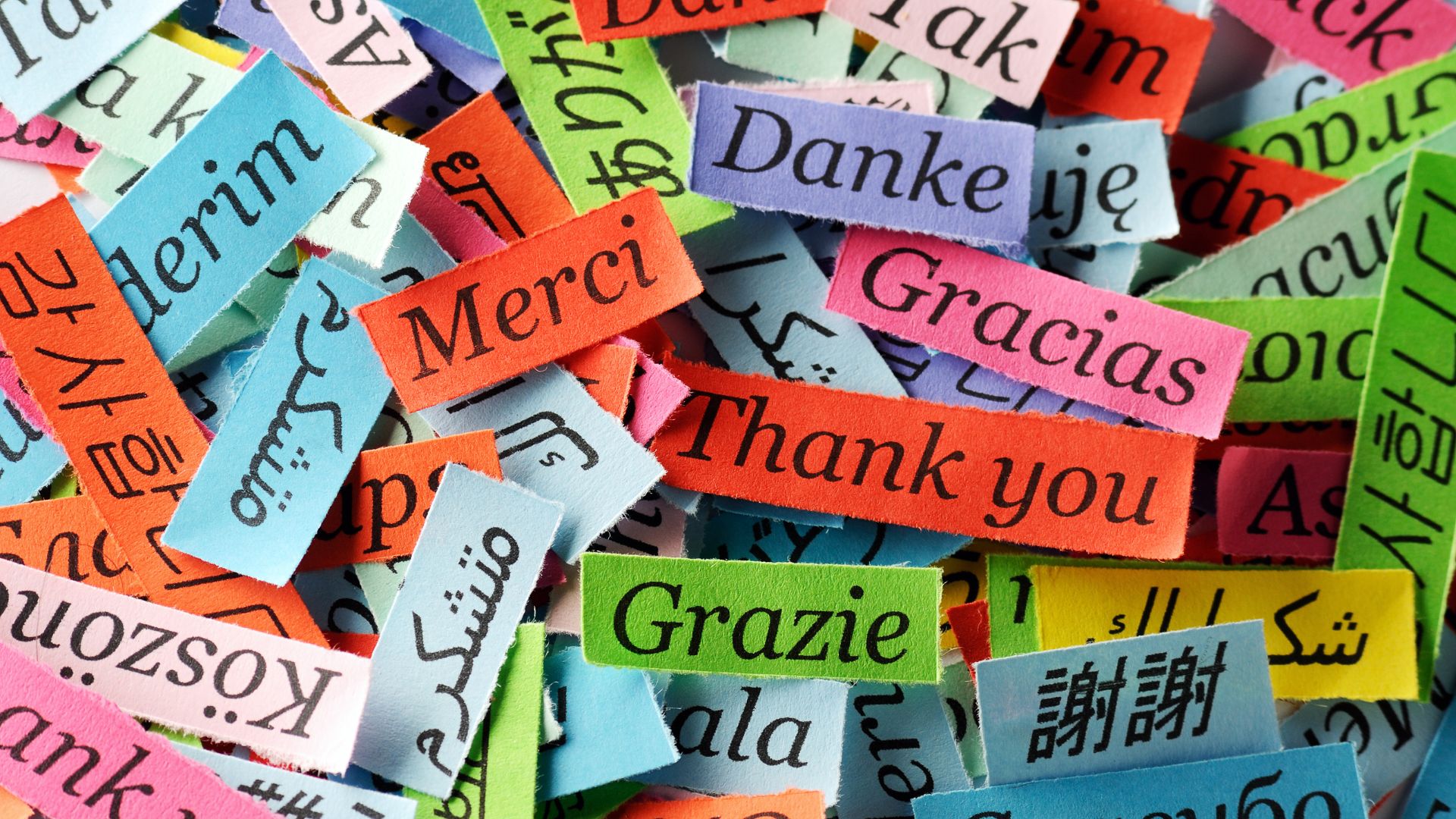
One of the biggest challenges in a non-native language environment is the feeling of not being able to fully express ourselves. In multilingual workplaces, language barriers can cause not only professional misunderstandings but also social disconnection. So, how can we create inclusive communication in a linguistically diverse environment?

You saw it, but didn’t reply. You dropped a heart. What should I make of 🤯? "Digital body language" is also part of our workplace communication. Emojis can bring colleagues closer, but they can also cause misunderstandings. A delayed response from a manager might leave the person uncertain. How do we communicate with emojis, reactions, and response times at work?

Even after a summer break, it takes time to get back into the work rhythm. So it’s no surprise that returning from a long absence—like parental leave, a sabbatical, or a serious illness—requires extra care and attention. When everything feels familiar, yet different, how can we ensure a smooth and successful re-onboarding?
Looking for more practical resources? Explore our library of downloadable guides or watch our on-demand webinars to deepen your knowledge.
Access practical guides, templates, checklists, e-books, and other downloadable resources designed for HR and internal communication professionals.
Explore Free Downloads

Stay up to date with expert articles, industry trends, webinars, and practical guides designed to help you build a better employee experience.